Home is more than walls and furniture—it’s the environment that quietly shapes how you sleep, think, and even breathe. When your surroundings feel supportive, it becomes easier to care for your body, soothe your mind, and settle your nervous system. You don’t need a full renovation or a complete lifestyle overhaul; small, intentional shifts in how you move through your space can add up to meaningful changes in how you feel.
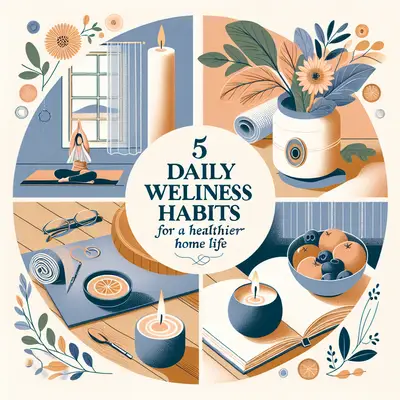
This gentle guide offers five daily wellness practices you can weave into the rhythm of your home life. Think of them as soft touchpoints: simple, repeatable actions that help your space care for you while you care for it.
1. Start the Day With Light and Air
Morning light and fresh air can set a calmer, steadier tone for your entire day. Exposure to natural light shortly after waking helps regulate your circadian rhythm, which supports better sleep at night and more stable energy during the day. Even a few minutes by a window can help signal to your body that it’s time to wake up, gently.
If possible, open your curtains or blinds within the first hour of waking. Crack a window—even for just 5–10 minutes—to let in fresh air and release indoor pollutants that can build up overnight. As you do this, take a few slow breaths and notice the temperature of the air, the light on the floor, the sounds outside. This tiny ritual reminds your nervous system that the day doesn’t have to begin in a rush.
If your home doesn’t get much natural light, you can still create a gentle morning transition: turn on warm-toned lamps instead of harsh overhead lights, stretch for a minute by the window, or sip water while looking outside. The key is to let your body arrive into the day with softness and awareness, rather than jolting it awake.
2. Make Hydration a Visible, Easy Habit
Staying hydrated supports digestion, energy, focus, and even mood—but it’s easy to forget when your day is busy or your water is “out of sight, out of mind.” A simple way to support your body at home is to make hydration highly visible and friction-free.
Choose one favorite glass or bottle and give it a consistent “home base” in your space: a spot on the kitchen counter, your desk, or your bedside table. Each morning, fill it and place it in that same spot. Let it be a visual cue: every time you walk by, take a sip. You can even tie it to an existing habit—drink water whenever you check your phone, start a work session, or return from the bathroom.
If plain water doesn’t appeal to you, gently flavor it with lemon slices, cucumber, mint, or a splash of 100% fruit juice. Herbal teas—hot or iced—also count toward hydration. The goal isn’t perfection; it’s simply to invite your body to feel nourished and supported throughout the day by making water easy, inviting, and close at hand.
3. Create One “Clear Surface” for Mental Breathing Room
Clutter can quietly drain your mental energy, even if you don’t consciously notice it. Research suggests that visual chaos can increase feelings of stress and make it harder to focus. You don’t need a perfectly organized home to feel better, but having one reliably clear spot can act like a deep breath for your mind.
Choose a single surface—a small table, a counter corner, your nightstand, or a section of your desk—and gently commit to keeping that area as clear as reasonably possible. Once a day, spend just 2–3 minutes returning items to their homes, tossing trash, or stacking things neatly elsewhere. This isn’t about shame or strictness; it’s about giving your eyes and brain a place to rest.
Over time, that clear surface can become a tiny sanctuary: a spot for a candle, a plant, a glass of water, or your current book. When you feel overwhelmed, stand or sit near it, take a slow breath, and remind yourself that even in a busy or messy season, you can create small pockets of order and care.
4. Build Tiny Movement Moments Into Your Home Routine
Your home can be a quiet ally in helping your body move more, even if you don’t have time (or energy) for formal workouts. Gentle, frequent movement supports circulation, joint health, and mood regulation, and can soften the stiffness that comes from long hours of sitting or screen time.
Instead of aiming for a long, intense exercise session, look for small movement moments you can anchor to daily tasks:
- While waiting for the kettle to boil, slowly roll your shoulders and circle your wrists and ankles.
- After using the bathroom, do a few easy heel raises or gentle squats, holding onto the sink for support if needed.
- During TV or podcast time, stretch your neck, hips, and back on the floor or against a wall.
- When walking from one room to another, take the longer route, or add 10 slow, mindful steps.
Keep the movements comfortable and pain-free; the goal is circulation and gentle activation, not pushing your limits. You might even place small reminders around your home—a sticky note near the TV, a yoga mat unrolled in a corner, a resistance band by your desk. Let your space invite you to move in soft, sustainable ways that feel kind to your body.
5. Close the Day With a Simple “Wind-Down Cue”
Your home can help your nervous system shift from “doing” mode to “resting” mode at night. Many of us move from bright screens straight into bed, which can make it harder to fall asleep and stay asleep. A gentle evening cue—something you repeat most nights—can signal to your body that it’s safe to slow down.
Choose one small, realistic ritual you can usually manage in 5–10 minutes:
- Dim the lights and turn off bright overheads in favor of lamps or warm bulbs.
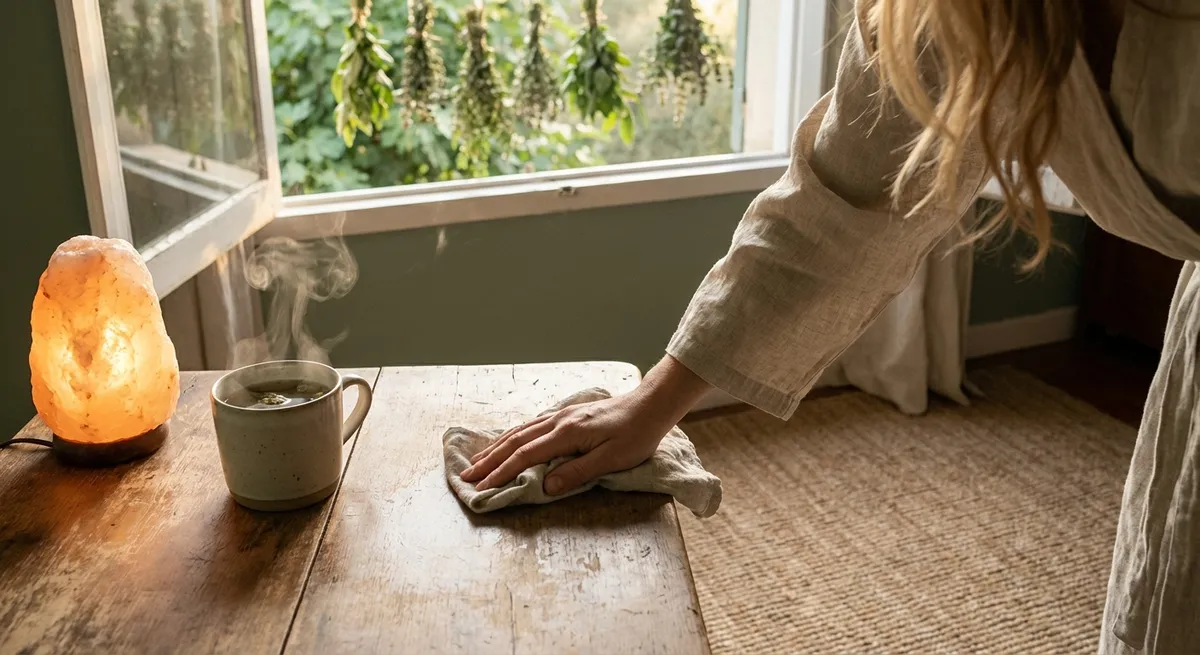
- Wipe down a small area (bathroom counter, kitchen sink, or coffee table) as a symbolic “reset” for tomorrow.
- Make a cup of herbal tea and sit in one spot without multitasking while you drink it.
- Take a few minutes to stretch your back and hips beside your bed.
- Jot down three things you’re grateful for or simply three moments you noticed today.
You don’t have to do all of these; even one quiet, repeatable step can be enough. Over time, your body begins to associate that action with winding down. The goal isn’t a perfect bedtime routine—it’s sending your nervous system a consistent, gentle message: “We’re safe. We can soften now.”
Conclusion
Your home doesn’t need to be spotless, trendy, or completely transformed to support your well-being. It only needs a few intentional touchpoints—places where your surroundings and your choices meet in small, repeated acts of care.
Opening the window in the morning, keeping water within reach, protecting one clear surface, weaving in tiny movements, and closing the day with a simple ritual are all subtle, accessible ways to let your space stabilize and nourish you. You’re not just “improving your home”; you’re telling your body and mind, day after day, that they deserve ease, comfort, and attention.
Start with one practice that feels doable this week. Let it settle in before adding another. Over time, these small daily gestures can help your home feel less like a backdrop and more like a quiet partner in your health.
Sources
- National Institutes of Health – Bright Light Therapy for Sleep and Mood – Explores how exposure to light influences circadian rhythms, sleep, and mood regulation.
- Centers for Disease Control and Prevention – Water & Nutrition – Provides evidence-based guidance on hydration and its role in health.
- Princeton University – The Cost of Clutter on the Brain – Summarizes research showing how a cluttered environment can affect focus and stress levels.
- Harvard T.H. Chan School of Public Health – Physical Activity and Health – Details the benefits of regular movement, even at light to moderate levels.
- National Institutes of Health – Sleep and Your Health – Discusses the importance of sleep for overall well-being and factors that can support better rest.
Key Takeaway
The most important thing to remember from this article is that this information can change how you think about Home Wellness.