
The headlines are already buzzing with the stress of seasonal trips. One viral gift guide from Bored Panda, “25 Travel Gadgets For Anyone Who Is Already Mentally Preparing For The Chaos Of Holiday Travel,” captures what many of us are feeling right now: airports packed, security lines stretching forever, and nervous systems running on fumes. Even if you’re not flying this year, that frantic energy seeps into our group chats, our social feeds, and, quietly, our homes.
But your home doesn’t have to mirror the madness outside. While the world prepares for delayed flights and overstuffed suitcases, you can gently prepare something very different: a calmer, more nourishing daily rhythm indoors. Think of it as creating the “anti-airport” — a space and routine that helps your body exhale, your mind soften, and your spirit feel held.
Below are five daily home wellness practices you can lean on right now, inspired by the reality of holiday chaos — and designed to help your home feel like a soft landing, whether you’ve traveled far or never left the couch.
1. Create a “Landing Zone” to Soothe Post-Travel Overwhelm
As people gear up with travel gadgets to survive long lines and tight connections, consider what happens the moment you step back through your front door. That transition — from public chaos to private space — is powerful. You can turn it into a tiny ritual that tells your nervous system, You’re safe now.
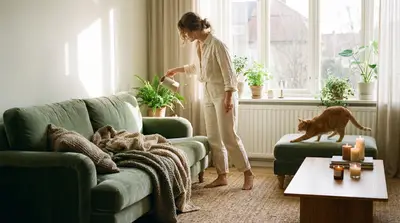
Choose a small area near your entryway and turn it into a gentle “landing zone.” Add a soft mat or rug, a small basket for keys and phone, maybe a hook for coats and bags. If you can, place something soothing there: a plant, a candle, a small dish of essential oils, or a comforting photo. Each time you come home, pause there for just 30–60 seconds. Put your devices down, take two or three slow, deliberate breaths, and mentally release the outside world before you move deeper into your home. Over time this simple practice becomes a cue: here, we soften. Here, we arrive.
2. Let Light and Air Reset Your Mood Each Morning
Holiday travel stories often describe crowded, stale-feeling spaces — airport terminals, packed trains, busy highways. Even if you’re staying home, winter can bring a similar heaviness indoors: closed windows, artificial light, recycled air. A gentle, daily reset with light and air can do more for your mood than most gadgets ever could.
When you wake up, open your curtains or blinds as soon as you can. Let natural light touch your eyes (indirectly, not staring at the sun) for at least a few minutes. If it’s safe and comfortable, crack a window, even briefly, to invite in fresh air. As you do, take a slow breath in and a long breath out, imagining any tension in your body flowing out with the stale air. This tiny practice helps regulate your circadian rhythm, support deeper sleep at night, and offers a quiet reminder: today can feel different. If mornings are rushed, link this habit to something you already do — like boiling water for tea or coffee — so it becomes a natural part of your day.
3. Design a “Quiet Corner” That Doesn’t Need Perfect Silence
In a season when memes and gift guides celebrate noise, novelty, and constant stimulation, your body might be craving the opposite: stillness, softness, and a place that never asks anything of you. You don’t need a separate room or expensive decor to create this — just a dedicated spot that your nervous system learns to associate with rest.
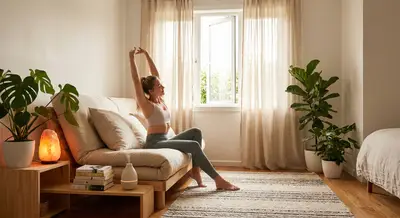
Pick a corner of your home that feels relatively calm: a comfy chair by a window, a spot on the floor with a cushion, or the end of your couch. Add one or two comforting items: a cozy blanket, a soft pillow, a reading lamp, or your favorite mug. Then give this space a simple, loving purpose: here is where I pause. Even five minutes counts. Sit there with a book, a journal, or simply your breath. No scrolling, no multitasking, no productivity required. If your home is busy or noisy, use headphones with gentle music or brown noise. This isn’t about silence; it’s about intention — creating a home-based sanctuary your body can trust, day after day.
4. Build a “Nervous-System Friendly” Evening Routine
Travel headlines talk about preparing for chaos; you can prepare for calm. When the sun goes down — especially during the darker months — your home can either wind you up (bright screens, endless notifications, constant news) or wind you down. A simple, repeatable evening flow can quietly transform your sleep and your sense of safety at home.
Choose 20–30 minutes before bed as your “soft landing” time. Dim the lights a bit. Put your phone on do not disturb if you’re able. Trade painful doomscrolling for one simple, nurturing activity: gentle stretching on the floor, a warm shower, a herbal tea, or moisturising your hands and feet with attention instead of rushing. You don’t have to overhaul your whole night. Just pick one soothing action and let it be enough. Over time, this creates a message in your body: the day is ending, and I’m allowed to rest. That permission alone can feel like a deep exhale in a world that’s constantly “on.”
5. Make One Daily Task Kinder (Not More Efficient)
So much of holiday talk, including travel gadget lists, is about optimization: faster, easier, more efficient. But your home can be a place where you practice the opposite — doing one ordinary thing more kindly instead of more quickly. This gentle shift can change the feel of your entire day.
Choose a small, everyday task: washing dishes, making the bed, folding laundry, or wiping the kitchen counters. For that one task, move a little slower. Notice the textures, the warmth of the water, the smell of the soap, the feeling of fabric in your hands. Breathe evenly. Let your shoulders drop. You’re not trying to be perfectly mindful; you’re simply giving your brain and body a tiny break from rushing. Over days and weeks, this becomes a quiet anchor: no matter how intense the news, the group chats, or the travel stories, there is at least one moment in your home that feels gentle and human.
Conclusion
While the world stockpiles gadgets to survive airports and long lines, you have the opportunity to create something softer and more radical: a home that actively calms you. A simple landing zone at the door, morning light and air, a quiet corner, a nervous-system-friendly evening, and one kinder daily task may seem small, but they add up to something powerful — a daily rhythm of safety and care.
You don’t need perfect decor, total silence, or endless free time to begin. Start with the one practice that feels easiest today, and let your home slowly become what so many travelers are secretly longing for right now: a place where you can finally arrive, breathe, and truly rest.
Key Takeaway
The most important thing to remember from this article is that this information can change how you think about Home Wellness.