
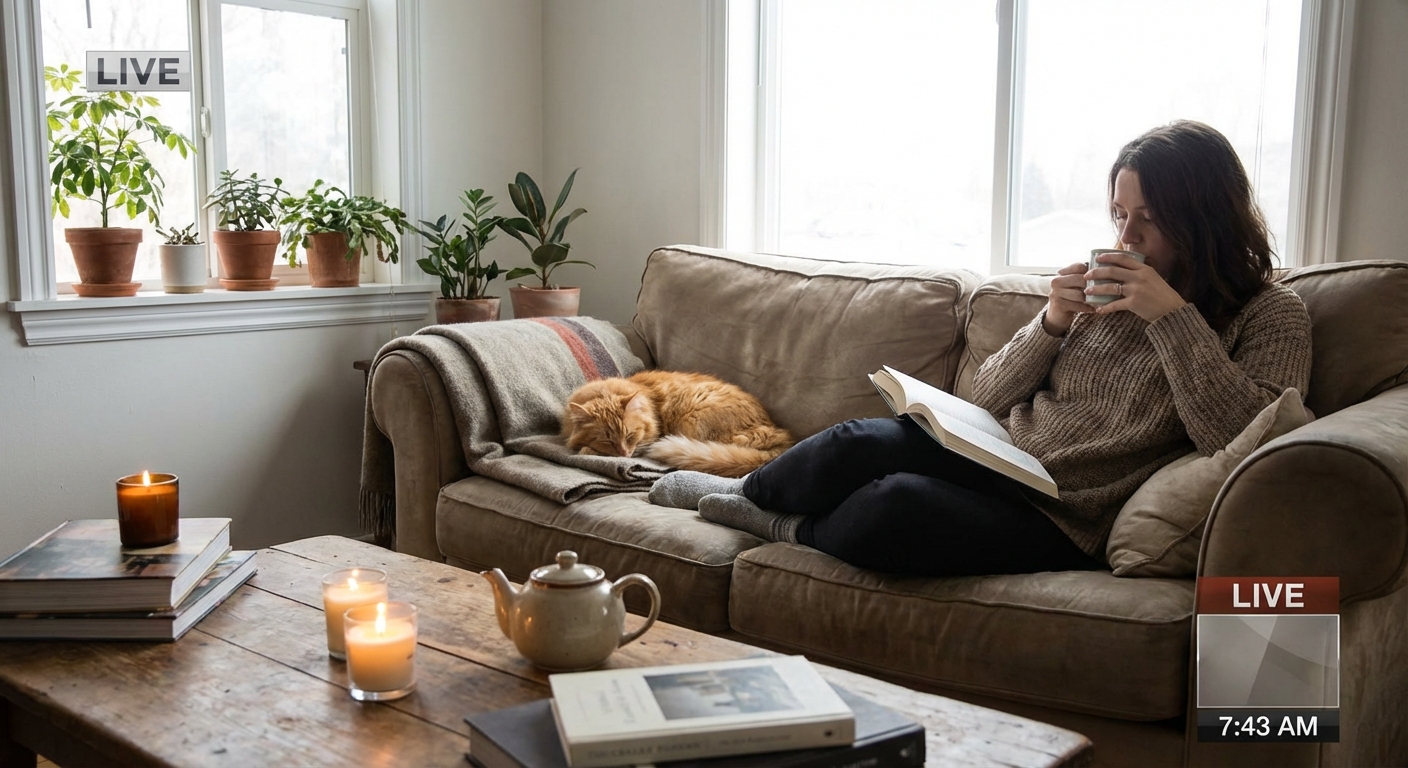
Home wellness isn’t about having a perfectly tidy house, expensive decor, or a spa-like bathroom. It’s about creating an environment that quietly supports your body, calms your mind, and softens the edges of your day. Think of your home as a living, breathing partner in your wellbeing—one that can either drain you or gently restore you.
Reimagining Home as a Daily Wellness Practice
This guide invites you to approach home wellness as a series of small, compassionate choices rather than a big makeover project. With a few nurturing shifts, your home can become a place that helps you exhale, un-clench, and come back to yourself.
Why Your Home Environment Matters More Than You Think
So much of wellness advice focuses on what we do: the food we eat, the exercise we choose, the sleep we get. But where we live those habits deeply influences how sustainable they are.
A nurturing home can:
- Lower everyday stress by reducing noise, visual clutter, and constant stimulation.
- Support nervous system regulation through gentle lighting, comforting textures, and predictable rhythms.
- Encourage healthier choices by making rest, movement, hydration, and calm more accessible.
- Offer emotional safety by giving you pockets of privacy, familiarity, and softness.
You don’t need a bigger place, a better budget, or an eye for design. You need small, kind adjustments that honor how you actually live.
1. Create One “Soft Landing” Space (No Matter How Small)
A soft landing space is a spot that tells your nervous system, You’re safe. You’re allowed to slow down here. It doesn’t have to be a whole room. It could be:
- A particular chair next to a window
- A corner of your bed with a cozy blanket
- A cushion on the floor with a basket for a journal and a book
What matters is not how it looks, but how it feels—predictable, welcoming, and yours.
Try this gentle practice:
- Choose one place in your home where you’d like to feel calm.
- Clear just that spot—no need to tackle the whole room.
- Add one soft element (a pillow, blanket, or favorite sweater) and one grounding element (a book, candle, plant, or meaningful object).
- Decide on a simple use: 5 quiet minutes with tea, a breathing break after work, or a screen-free moment before bed.
You’re not decorating; you’re designing a reliable place for your body to relax, even briefly.
2. Let Light Gently Shape Your Day
Light is one of the quietest but most powerful wellness tools in your home. It helps regulate your sleep-wake cycle, your mood, and even your energy levels.
Instead of chasing perfect lighting, focus on supportive lighting:
- Morning: Open curtains or blinds as early as you comfortably can. If natural light is limited, turn on a warm lamp and sit near it as you sip water or tea.
- Midday: If you work from home, try to position your workspace near a window if possible, or take a short “light break” to step outside.
- Evening: Begin dimming lights an hour or two before bed. Favor warm, low lighting—lamps, string lights, or a single soft overhead light.
Gentle tip: If bright overhead lights feel jarring, use lamps or task lights in key spots: by the sofa, kitchen counter, or bedside. Think of your evening lighting as an invitation for your body to slowly wind down.
3. Simplify Surfaces to Calm Your Mind
Visual clutter can subtly keep your mind on high alert, sending constant micro-signals that there’s more to do. You don’t have to become minimalist. Instead, support your nervous system by choosing a few calm surfaces.
Start small:
- Clear just one landing zone: a nightstand, a coffee table, or a corner of the kitchen counter.
- Keep only what you use daily or what truly soothes you (a lamp, a glass of water, one book, one small object you love).
- Use baskets or boxes to gather the “maybes” and store them out of sight.
Whenever life feels overwhelming, gently tend to that one surface. Wiping it down, straightening it, or returning it to simplicity can feel like a small act of reclaiming inner order.
You’re not cleaning to be productive; you’re cleaning to feel softer inside your own home.
4. Add Tiny Rituals to Anchor Your Day
Rituals are repetitive, meaningful actions that tell your body and mind: We’re shifting now. They don’t have to be elaborate, spiritual, or time-consuming. In a wellness-focused home, rituals act like soft bookends around your day.
Consider adding one tiny ritual to each of these moments:
- Waking: Before reaching for your phone, place one hand on your heart, one on your belly, and take three slow breaths.
- Arriving home: Drop your keys in the same place, take off your shoes if possible, and do a gentle shoulder roll.
- Starting work or chores: Light a candle, open a window for one minute, or turn on a specific playlist.
- Evening wind-down: Dim lights, close the day by putting one item back where it belongs, and take a sip of water.
Rituals turn ordinary moments into soft transitions. They don’t have to be perfect; they just have to be repeated with kindness.
5 Daily Wellness Tips for Healthier Living at Home
These five daily practices are designed to be supportive, not overwhelming. Start with one and let the others join slowly.
1. Sip Slowly Throughout the Day
Place a glass or bottle of water in the spaces where you spend the most time—by your bed, on your desk, near the kitchen sink. Each time you notice it, take a slow sip instead of chugging. Hydration supports energy, digestion, and mental clarity, and your home can quietly remind you to drink.
2. Give Your Body One Gentle Stretch Break
Choose a single time—after lunch, when you get home, or before bed—to stretch for 3–5 minutes. You might:
- Roll your shoulders
- Gently twist your spine seated on a chair
- Stretch your arms overhead while standing
If you struggle to remember, tie this to an existing habit: stretch while the kettle boils or while the shower warms up.
3. Air Out a Room Once a Day
Open a window for even 3–5 minutes daily, if weather and safety allow. Fresh air can reduce stuffiness, support clearer thinking, and make your home feel more alive. If you can’t open windows, stand by a fan or air purifier and take a few deeper breaths.
4. Choose One “Screen-Free” Pocket of Time
Pick a small window of your day—breakfast, the first 15 minutes after waking, or the last 15 before bed—to be gently screen-free. Use that time to:
- Look out a window
- Check in with how your body feels
- Tidy a tiny area
- Sit with a warm drink
This brief pause lets your nervous system recover from constant digital input.
5. End the Day with a Small Act of Care for Tomorrow You
Before bed, choose one tiny thing that will make tomorrow feel a little softer:
- Laying out clothes
- Filling your water bottle
- Clearing one small surface
- Placing a book or journal by your bed instead of your phone
This practice quietly tells your body and mind: You are worth preparing for.
Let Your Home Grow With You, Not Against You
Home wellness is not a final destination. It’s a living relationship between you and the place you return to again and again. Some days your home will feel peaceful; other days it may feel chaotic—and that’s okay.
Instead of aiming for perfection, ask gentle questions:
- What’s one spot I can soften today?
- How can my home help my body feel a little safer?
- What can I remove, dim, or simplify to make breathing easier here?
Your home doesn’t have to look like anyone else’s to support your wellbeing. With a few nurturing choices, it can become a quiet ally—a place that knows how to hold you when the world feels loud.
Let your home be imperfect, evolving, and deeply human—just like you.
Key Takeaway
The most important thing to remember from this article is that this information can change how you think about Home Wellness.