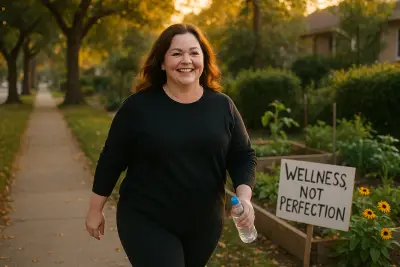

Healthy living doesn’t have to mean a total life overhaul or a strict new identity. Often, it’s the quiet, doable shifts that slowly change how your body feels, how your mind rests, and how your heart moves through the day.
Instead of chasing perfection, think of your wellbeing as something you tend to—like a small garden. A bit of light, some nourishment, and regular care can gradually transform your inner landscape. These daily practices are meant to feel kind, not punishing; supportive, not overwhelming.
Below are five gentle wellness practices you can weave into your day. Take what feels possible, leave what doesn’t, and remember: your pace is valid.
Centering the Day: A Soft Check-In With Yourself
Before the rush of responsibilities, notifications, and to‑dos, it can be grounding to meet yourself first. A simple daily check-in helps you notice what you actually need instead of running on autopilot.
You might place a hand on your heart or belly and ask, “How am I, really?” Let your answer be honest, even if it’s messy or incomplete. This moment is not about fixing anything—only about noticing.
You can turn this into a tiny ritual: sit up in bed or at the edge of your couch, feel your feet on the floor, and inhale slowly through your nose for a count of four, then exhale for a count of six. Repeat three times. Then ask yourself what kind of support you need today: more water, a quiet lunch, an earlier bedtime, or maybe a gentle walk.
This daily pause builds self-trust. Over time, your body begins to recognize that you’re listening, and that awareness alone can soften stress, reduce tension, and guide healthier choices throughout the day.
Nourishing With Intention: Eating to Feel Steady, Not Perfect
Instead of chasing the “perfect” diet, try asking one grounding question before you eat: “Will this help me feel steady?” Steadiness might look like balanced energy, a calmer mood, or fewer afternoon crashes.
Gently aim to include something from three basic groups at most meals:
- A source of protein (like eggs, beans, tofu, yogurt, fish, chicken, or lentils) to keep you fuller for longer
- A fiber-rich plant (like vegetables, fruits, whole grains, nuts, or seeds) to support digestion and blood sugar
- A healthy fat (like olive oil, avocado, nuts, seeds, or fatty fish) to help you feel satisfied
You don’t have to overhaul your entire pantry. Start by adding in one supportive thing rather than restricting something else: a handful of berries with breakfast, a side of roasted vegetables at dinner, or a sprinkle of seeds over your salad or soup.
Also, notice how you eat. Can you sit down for at least one meal without a screen? Can you take a few breaths before that first bite? Eating more slowly can support digestion, prevent overeating, and help you actually experience your food as nourishment instead of just one more task.
Gentle Movement: Treating Your Body Like a Home, Not a Project
Movement doesn’t need to be intense to be powerful. In fact, consistent, gentle activity often feels more sustainable than sporadic bursts of hard workouts. Think of movement as a way to “air out” your body and support your mood, not a punishment for what you ate.
Look for motion that feels kind and realistic for your current season of life. This might be:
- A 10–15 minute walk after a meal
- Stretching while your coffee or tea brews
- A few slow yoga poses before bed
- Dancing to one favorite song in your living room
- Taking the stairs when it’s available and safe
Start by weaving movement into something you already do. For example, if you usually scroll your phone after work, you might take that scroll outside for a short walk. If you watch a show in the evening, you could stretch during the first few minutes.
Pay attention to how you feel after you move rather than how you look while you’re doing it. Do you feel clearer, a bit lighter, or more at ease? That emotional feedback can become your motivation, instead of numbers or comparison.
Tending Your Nervous System: Small Practices to Ease Daily Stress
Stress is part of being human, but staying in a constant state of urgency is exhausting for both body and mind. Gentle, repeatable practices can signal safety to your nervous system, helping you move from “fight or flight” into a calmer state.
Try sprinkling micro-breaks throughout your day. For example:
- Set a timer every 60–90 minutes to stand, stretch your arms overhead, or roll your shoulders
- Practice a simple breathing pattern: inhale for 4 counts, exhale for 6 counts, lowering your shoulders on the exhale
- Place one hand on your chest and one on your belly, noticing the rise and fall of your breath for just one minute
- Sight: Look around and name five things you can see
- Touch: Hold something comforting—like a mug, soft blanket, or smooth stone
- Sound: Listen for three distinct sounds in your environment
You might also experiment with “sensory grounding.” Choose one sense to focus on when you feel overwhelmed:
These small practices don’t make stress disappear, but they can help your body feel less threatened by it. Over time, you may notice you recover more quickly from tense moments and feel less drained at the end of the day.
Protecting Your Rest: Creating a Gentle Wind‑Down
Rest is not something you earn by doing enough; it’s something your body requires to keep you well. A protective, repeatable wind‑down in the evening can signal to your brain that it’s safe to slow down.
Choose a simple, realistic sequence you can repeat most nights—aim for 15–30 minutes if you can. For example:
Dim the lights or switch to warmer lamps
Put your phone on “Do Not Disturb” or leave it in another room
Do a short, soothing activity: light stretching, reading a few pages, journaling, or listening to calming music or a gentle podcast
Try a brief “mental download” by writing down tomorrow’s tasks so they’re not swirling in your head
If sleep feels difficult, focus on consistency rather than perfection. Going to bed and waking up at roughly the same time each day—when possible—helps your internal clock regulate, which can improve both the quality and depth of your sleep over time.
Even if your life doesn’t allow long, luxurious nights, small choices—like dimming screens before bed or resisting the late‑night doom‑scroll—can protect the rest you do get and gently improve your energy the next day.
Conclusion
Healthy living doesn’t have to be dramatic to be meaningful. Small, steady choices—checking in with yourself, nourishing your body with intention, moving in gentle ways, easing daily stress, and protecting your rest—can quietly transform how you feel over weeks and months.
You don’t need to adopt all of these practices at once. Choose one that feels kind and doable, and let it settle into your day. When that feels familiar, you can add another.
Your wellbeing is not a race or a contest. It’s an ongoing relationship with your body, your mind, and your daily life. You’re allowed to move slowly. You’re allowed to start again—today, and any day you need.
Sources
- Harvard T.H. Chan School of Public Health – Healthy Eating Plate & Diet – Explains balanced meal components and evidence-based healthy eating patterns
- American Psychological Association – Stress Effects on the Body – Details how chronic stress impacts physical and mental health and why stress management matters
- Centers for Disease Control and Prevention – Physical Activity Basics – Outlines benefits of regular movement and practical activity guidelines for adults
- National Sleep Foundation – Healthy Sleep Tips – Offers research-backed strategies for improving sleep hygiene and nightly rest
- Mayo Clinic – Mindfulness Exercises – Provides simple mindfulness practices that support stress reduction and emotional wellbeing
Key Takeaway
The most important thing to remember from this article is that this information can change how you think about Healthy Living.