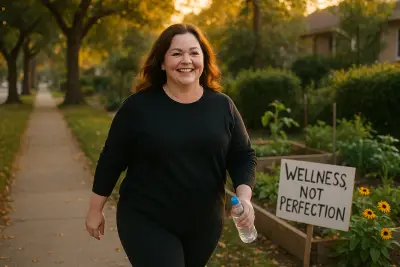

There is a quiet kind of health that doesn’t ask you to overhaul your life overnight. It grows slowly, underneath your busiest days and your most tired evenings, in the small choices you make again and again. When life feels full, complicated, or simply overwhelming, “healthy living” can sound like one more thing on your to‑do list. But it doesn’t have to be.
Healthy living can be soft, forgiving, and flexible—something that moves with you instead of against you. These gentle daily practices are meant to meet you where you are, offering support rather than pressure. You don’t need a perfect routine to begin. You only need a starting place, and a little kindness toward yourself as you go.
1. Begin the Day by Checking In With Your Body
Before you reach for your phone or your to‑do list, see if you can pause for a moment and simply notice: How is my body today?
You might do this sitting at the edge of your bed, feet on the floor, or while standing at the sink with a glass of water. Let your attention move from head to toes: Are your shoulders tight? Jaw clenched? Belly tense? Legs heavy or restless? This quiet scan isn’t about fixing anything; it’s about listening.
When you notice tension, see if you can soften that area just a little—roll your shoulders back, unclench your jaw, stretch your fingers, or take a deeper breath into your ribs. This simple practice gently activates your body’s relaxation response, which can help lower stress and support heart health over time.
If you like, you can end the check‑in with a simple, compassionate thought: “I’m doing the best I can today,” or “My body has carried me this far; I’m grateful for that.” Repeating a calming phrase like this can shift your nervous system toward a steadier, more grounded state as you begin your day.
2. Let Hydration Become a Small Ritual of Care
Water can be more than something you “should” drink; it can be a daily reminder that you deserve to be cared for. Instead of focusing on a perfect number of ounces, begin with something simple and repeatable: perhaps a full glass of water when you wake, another mid‑morning, and one in the afternoon.
You might keep a favorite glass or bottle nearby at your desk or in the kitchen, turning it into a comforting visual cue. Some people find it helpful to pair drinking water with existing routines—sipping a glass after brushing their teeth, after using the restroom, or before making coffee or tea. That way, hydration quietly weaves itself into rhythms you already have.
If plain water is unappealing, add a slice of citrus, a few berries, cucumber, mint, or a splash of 100% fruit juice. Herbal teas (such as peppermint, chamomile, or rooibos) can also contribute to your fluid intake while offering a soothing moment of pause.
Gentle, consistent hydration supports digestion, energy, skin health, and concentration. Instead of chasing “perfect,” you can ask one kind question throughout the day: “Have I had some water recently?” Then respond to that question with a small, caring action.
3. Nourish Yourself With One Upgraded Meal or Snack
You don’t need to change everything you eat at once to move toward healthier living. Start by choosing just one meal or snack each day to “upgrade” with a little more nourishment.
This might mean adding a piece of fruit to your breakfast, tossing a handful of leafy greens into your lunch, or including a side of colorful vegetables with dinner. You could also swap one processed snack for something with more staying power—like nuts and seeds, yogurt, hummus with veggies, or whole‑grain toast with nut butter.
Aim for gentle variety: different colors, textures, and food groups. Over time, this helps your body receive a range of vitamins, minerals, fiber, and healthy fats that support digestion, immunity, and steady energy. Research suggests that diets rich in fruits, vegetables, whole grains, and lean proteins are linked to lower risk of heart disease, type 2 diabetes, and other chronic conditions.
If food feels complicated for you, approach this as an act of kindness rather than self‑criticism. One supportive question to revisit is: “What could I add to this meal that would help my body feel more nourished?” Even a small addition—a side salad, sliced apple, or a sprinkle of seeds—counts.
4. Invite Gentle Movement Into the Spaces You Already Have
Exercise does not have to mean a long workout or a gym membership. Gentle movement sprinkled through your day can be deeply supportive, especially when you’re short on time or energy. Think of it as offering your body small waves of circulation, strength, and flexibility.
You might try a slow stretch while your coffee brews, a short walk after a meal, or a few minutes of light stretching in the evening as you unwind. If you spend much of your day sitting, setting a subtle reminder to stand up every hour or so—stretch your arms, roll your ankles, walk down the hall—can ease stiffness and support circulation.
For some people, putting on one favorite song and moving however feels good (swaying, stretching, light dancing) is an approachable way to reconnect with their body. This doesn’t need to be intense; the goal is to feel more present and comfortable in your own skin, even for a few minutes.
Regular physical activity—whether brisk walks, light strength training, or simply reducing long periods of sitting—has been shown to support heart health, mental well‑being, and sleep quality. If you live with pain, fatigue, or mobility challenges, consider asking your healthcare provider about gentle, tailored options, such as chair exercises or short, low‑impact walks. Your movement can be as unique and adaptable as you are.
5. Close the Day With a Soothing Wind‑Down
The way you end your day can quietly influence how your body rests and how you feel the next morning. Instead of aiming for a perfect sleep routine, consider choosing one or two simple practices that signal “it’s time to slow down.”
You might dim the lights an hour before bed, switch from bright screens to softer activities, or do something repetitive and calming—like reading a few pages of a book, journaling for a few minutes, stretching, or listening to gentle music. Even washing your face or making a cup of herbal tea can become a small closing ritual if you do it mindfully.
If your mind tends to race at night, try writing down tomorrow’s tasks on a piece of paper so your brain doesn’t have to hold them. You can also experiment with a few slow, deep breaths: in through your nose, out through your mouth, lengthening the exhale. This type of breathing can activate your body’s “rest and digest” system, making it easier to drift toward sleep.
Healthy sleep patterns support mood, immune function, memory, and metabolism. While you may not control every part of your night’s rest, offering yourself a gentle wind‑down is a way of saying, “I deserve to feel safe enough to rest,” even on the days that felt anything but gentle.
Conclusion
Healthy living does not have to arrive as a huge transformation. It can grow from a series of small, quiet yeses: yes to listening to your body for a moment, yes to sipping water, yes to adding something nourishing to your plate, yes to a stretch between tasks, yes to softening the edges of your day before sleep.
Some days, you’ll do more. Some days, less. Both are part of being human. What matters most is not perfection, but the relationship you’re building with your own well‑being—patient, compassionate, and willing to begin again.
You can start with just one of these practices today. Let it be simple. Let it be enough.
Sources
- Harvard T.H. Chan School of Public Health – Healthy Drinks - Overview of the health impacts of different beverages, including water and sugar‑sweetened drinks
- Harvard T.H. Chan School of Public Health – Healthy Eating Plate - Evidence‑based guidelines for building balanced meals rich in fruits, vegetables, and whole grains
- American Heart Association – Recommendations for Physical Activity in Adults - Current recommendations and benefits of regular, moderate physical activity
- National Institutes of Health – Why Is Sleep Important? - Explanation of how sleep affects heart health, mood, metabolism, and overall wellness
- Mayo Clinic – Relaxation Techniques: Try These Steps to Reduce Stress - Overview of body scans, deep breathing, and other practices that support the body’s relaxation response
Key Takeaway
The most important thing to remember from this article is that this information can change how you think about Healthy Living.