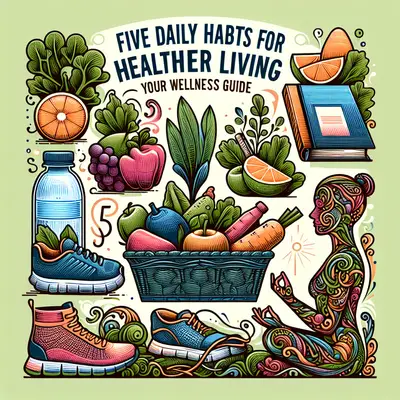

There is a kind of courage that never makes a big announcement. It shows up in the glass of water you drink when you’re tired, the five minutes you sit in silence before checking your phone, the way you choose to soften your shoulders instead of pushing through another hour of tension. These small, nearly invisible choices form the quiet backbone of your health. You don’t have to overhaul your life to feel better in your body. You can start with a handful of simple daily habits that support you in the background—steady, kind, and sustainable.
Below are five gentle daily practices you can weave into your day. Treat them as invitations, not obligations. Choose what feels doable, and let them grow with you over time.
1. Begin the Day With One Grounding Ritual
How you start your day can subtly shape the rest of it. A grounding ritual doesn’t need to be elaborate; it just needs to be intentional. Before you reach for your phone, try placing one hand on your chest and taking three slow breaths, or sipping your first drink of the day (water, tea, or coffee) without multitasking. These few moments help your nervous system shift out of “fight or flight” and into a steadier, more receptive state.
You might also try gently stretching in bed, opening a window for fresh air, or simply noticing three things you can see, hear, and feel. The goal isn’t productivity—it’s presence. Over time, a consistent calming start to your day may support better stress regulation, more stable mood, and a clearer sense of what you actually need, rather than what the world demands from you the moment you wake up.
2. Nourish Yourself With One Thoughtful Food Choice
Instead of trying to perfect your entire diet, focus on one nourishing upgrade each day. This could be adding a colorful vegetable to your usual lunch, choosing a snack with some protein and fiber, or drinking water before your afternoon coffee. Small shifts in what and how you eat can have a meaningful impact on your energy, digestion, and blood sugar balance.
When you can, aim to build meals that include a source of protein, a healthy fat, some fiber, and color from fruits or vegetables. Just as important is your pace: eating a bit more slowly, putting your fork down between bites, and noticing flavors can support digestion and help you tune in to fullness cues. If you miss a day or find yourself grabbing whatever’s easiest, there is no failure here—each meal is another chance to offer your body something kind.
3. Weave Gentle Movement Into the Spaces Between
You don’t need a perfect workout routine to support your body; you can build movement into the in-between moments of your day. Think of movement as circulation for your whole system: it can nudge your mood, support heart and metabolic health, ease stiffness, and help you sleep more deeply at night. If formal exercise feels overwhelming right now, start with tiny pockets of motion.
You might stand up and stretch every hour, take a five- or ten-minute walk after meals, do a few gentle squats while the kettle boils, or roll your shoulders and neck between tasks. If you enjoy structured movement, aim for a moderate activity like brisk walking most days of the week, adjusting for your abilities and any medical advice you’ve received. The key is consistency and kindness—movement that fits your life, respects your limits, and leaves you feeling a little more alive, not depleted.
4. Create One Quiet Check-In With Your Mind Each Day
Emotional wellness often slips to the bottom of the list, yet your mind and body are constantly in conversation. A short daily check-in can help you notice tension before it becomes pain, worry before it becomes overwhelm, and needs before they become crises. This practice doesn’t have to be long or complicated; what matters is honest attention.
You might spend two minutes at midday asking yourself: “What am I feeling? What do I need?” and writing down a few words in a notebook or notes app. You could pause in the evening to name three things you’re grateful for and one thing that felt hard. Even silently acknowledging, “I’m stressed and tired right now,” can be regulating for your nervous system. Over time, this gentle self-observation can help you respond to your emotions instead of being carried away by them, making space for healthier coping choices.
5. Soften Your Evenings to Support Restful Sleep
Rest is not a reward you have to earn; it’s a biological need. Yet many of us slide into the night overstimulated and under-rested, scrolling or working right up until we collapse into bed. A softer evening rhythm, even for 20–30 minutes, can signal to your body that it’s safe to wind down. This doesn’t have to look like a perfect routine—just a consistent pattern that helps you shift gears.
Consider dimming the lights, stepping away from bright screens when you can, and doing something that gently slows your system: reading, stretching, taking a warm shower, journaling, or simply breathing slowly. Aim for roughly the same sleep and wake times most days, if your life allows. Even modest improvements in sleep quality can support your immune function, metabolism, mental clarity, and emotional resilience. Think of bedtime not as the end of your productivity, but as an essential part of how you care for tomorrow’s self.
Conclusion
You do not need a complete life overhaul to move toward healthier living. Real, sustainable wellness is often built from small choices repeated over time: a grounding moment in the morning, one thoughtful food decision, a bit of movement woven into your day, a brief emotional check-in, and an evening that gently ushers you toward rest. These habits may look simple from the outside, but they are powerful acts of self-respect.
If this feels like a lot, choose just one practice to experiment with this week. Let it be imperfect. Let it fit your real life. As you keep returning to these quiet acts of care, you may notice that your body, mind, and energy begin to respond—with a little more steadiness, a little more softness, and a deeper sense that you are on your own side.
Sources
- Harvard T.H. Chan School of Public Health – Healthy Eating Plate & Healthy Eating Pyramid - Explains balanced meal components and the role of whole foods, healthy fats, and fiber in daily eating
- American Heart Association – Recommendations for Physical Activity in Adults - Outlines evidence-based guidelines for daily and weekly movement to support heart health
- National Institutes of Health (NIH) – Sleep and Health - Reviews how sleep affects physical and mental health, and why consistent rest matters
- Mayo Clinic – Stress Management: Strengthen Your Social Network and Emotional Health - Discusses stress, coping strategies, and the importance of emotional check-ins
- Centers for Disease Control and Prevention (CDC) – Physical Activity Basics - Provides an overview of how regular, moderate physical activity supports long-term wellness
Key Takeaway
The most important thing to remember from this article is that this information can change how you think about Daily Habits.